
Reshaping How Marketing Teams Work, Decide, and Deliver with AI
By Keri Tomsic, PR and Content Lead for the Marketing AI Pulse community
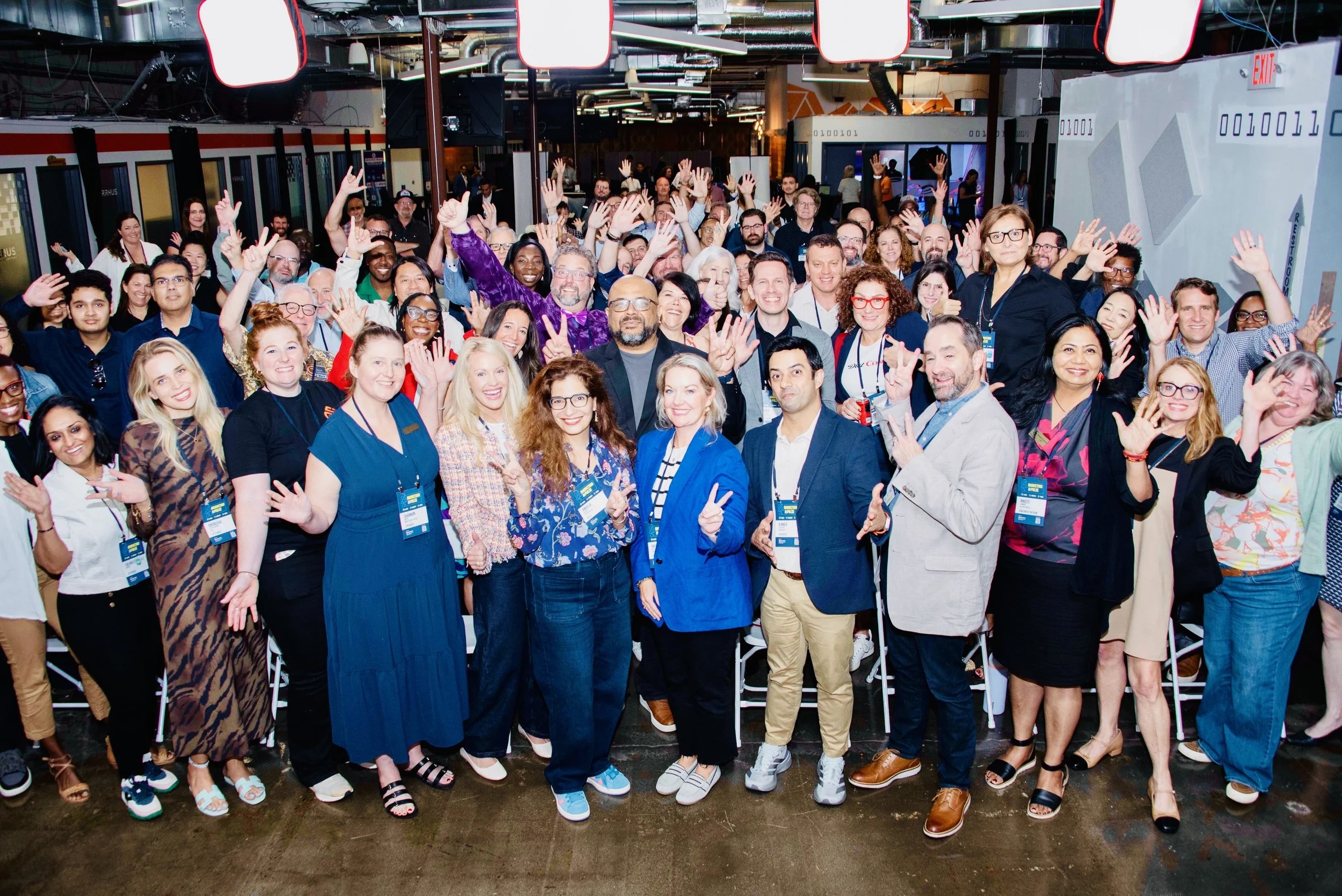
At the 9th Marketing AI Pulse, almost 200 marketers came together at Atlanta Tech Park to see firsthand how AI is reshaping marketing in real time. The focus has shifted from future possibilities to what teams are actively building, measuring, and governing with AI today. AI fluency is now table stakes. The real advantage comes from applying that fluency across talent, data, decision-making, and creative workflows.
The AI Talent Shift: What Marketers Need and What Brands Want
Amy Mangan of Robert Half set the tone with a hiring manager's perspective on the evolving marketing talent landscape. Technical skills matter, but the differentiators remain: storytelling, communication, adaptability, and audience insight. AI fluency is one part of the job. Marketers also need to understand financial and organizational perspectives to work across functions and align their decisions with broader business priorities. AI impacts budgets and workforce planning. When hiring, Mangan recommends that leaders focus on aptitude and growth when speaking with candidates rather than on a perfect skills match. She also counsels marketers on embracing flexible talent models as team needs and priorities shift.
Kinner Sacchdev, founder and CEO of Edbound AI, demonstrated how adaptability translates into workflow transformation. He showed how teams can turn existing content into production-ready content hubs powered by AI workflows. This is about building infrastructure for content, community, and growth.
That same shift, from individual AI use to more connected marketing systems, carried into the conversation about data. As AI becomes more embedded in how teams work, marketers have a greater opportunity to shape how insights are interpreted and turned into business decisions.
Talk to Your Data: AI's New Role in Marketing Analytics
The analytics panel pushed that idea further, with Jason Perkowski of Equifax, Samrat Sharma of PwC US, and moderator Shruti Roy examining how AI can give marketing a stronger voice in business decisions.
Sharma positioned marketing as the team's quarterback, with a central role in connecting functions and guiding business decisions. His point echoed Mangan's on cross-functional fluency as marketing leaders need to ruthlessly need to connect customer and brand insights with the priorities of finance, operations, and the broader enterprise.
Sharma emphasized AI's ability to improve data precision while helping marketing and finance work from a more common language. He urged marketers to be "ruthlessly leveraging" AI for cost, efficiency, and speed, with a sharper focus on connecting activity to ROI. Done well, that gives marketing teams stronger evidence to support its decisions and a more credible voice in broader business conversations.
Perkowski was clear: this is a strong moment for marketers. Marketing teams understand what drives people inside and outside the organization. With better data and faster analysis, now is the time to demonstrate that value with confidence.
AI Joined the Marketing Team. Now What?
Alice Jankowski of Coca-Cola and Mark Unrein of Luckie, moderated by Erich Starrett, shifted the discussion from opportunity to operational reality. They stressed how their teams use AI to accelerate ideation, concept exploration, and visual variation, delivering more options earlier while relying on human review, clear data boundaries, and strong IP protections before work moves forward. The real challenges start after that initial burst of output.
Jankowski described Coca-Cola's guardrails: nothing ships without internal review; a human remains the final set of eyes before anything goes out; IP protection rules are explicit; and employees can't use personal AI accounts for company work. Those guardrails exist because polished output isn't the same as good judgment - as Jankowski put it, "don't be impressed with the first shiny object." AI-generated work can look finished and still be strategically wrong or off-brand underneath. She compared working with AI to managing "a stubborn toddler" - something that needs constant teaching, correction, and oversight, not a tool you hand something to and walk away from.
The key takeaway is about leadership. Marketing leaders must set clear expectations for how teams work with AI and communicate with executives about what AI can and cannot reliably deliver.
Going Deeper: The Breakouts
The expanded breakout sessions showed where AI adoption in marketing is going: moving from broad discussions to targeted questions about how AI transforms each function.
Roger Baldowski and Alice Jankowski explored how creative teams should respond as AI makes content generation more abundant, with curation and creative judgment becoming more important in deciding what is actually worth using.
Shannon Smith showed how vibe coding is enabling marketers to build lightweight tools themselves, expanding what they can create without relying on a traditional development process.
Jason Perkowski and Shruti Roy took the mainstage analytics conversation into practical application, showing how AI can help marketers work through real business questions and turn data into decisions.
Kiera Wiatrak examined how AI is changing the way marketers think, create, and refine work across content, social, communications, search, and visibility in AI-generated answers.
Matt Cyr showed how AI can reduce time spent on repeatable agency work, shifting more attention toward the strategic judgment and client value that remain distinctly human.
What This Means for Marketing Leaders
The 9th Marketing AI Pulse made it clear: marketing leaders must operationalize AI fluency. This means hiring for it, connecting functions, validating decisions, and setting clear guardrails. The real opportunity is guiding how the business applies AI for measurable impact. Marketing leaders who can connect the technology to better decisions, stronger workflows, and clear business value will help define what comes next.
About Marketing AI Pulse
Marketing AI Pulse exists to give marketers a trusted place to learn on how to turn AI's potential into impact. The community was created for marketing professionals who are ready to learn through practice, connect with peers across industries, and grow through shared knowledge and applied insights. By bringing together marketing leaders, consultants, agencies, martech providers, and AI practitioners, Marketing AI Pulse creates a safe space for professionals to get the most out of AI. The foundation of the community rests on three values: Learn, Connect, and Grow.
Join the Marketing AI Pulse community to keep learning from the marketers putting AI into practice and shaping how marketing evolves. Join the Marketing AI Pulse community today.
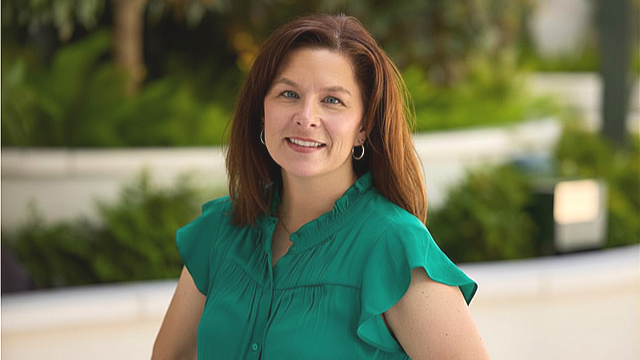
Keri Tomsic is a Community Ambassador and Head of Content and PR for Marketing AI Pulse and founder of TSquared Communications.
She has led communications across industries including automotive, hospitality, industrial technology, robotics and AI. Previously, she built Hexagon AB’s global corporate communications function across five divisions and 50+ countries. Today, she advises brands and executives on strategic communications, brand narratives & messaging, executive visibility, media relations & social media strategy, and AI visibility.
Frequently Asked Questions
-
AI fluency, combined with core human skills like storytelling, critical thinking, and cross-functional collaboration. The differentiator is applying AI in real business context.
-
Both matter. Historical reporting explains what happened. Predictive analytics anticipates what comes next. Strong data and human interpretation drive good decisions in both cases.
-
Define approved data and tools, require human review before anything goes out, and set explicit IP protections. Make responsible use the standard by communicating these rules clearly.
-
Marketing AI Pulse exists to give marketers a trusted place to learn how to turn AI’s potential into impact. The community was created for marketing professionals who are ready to learn through practice, connect with peers across industries, and grow through shared knowledge and applied insights. By bringing together marketing leaders, consultants, agencies, martech providers, and AI practitioners, Marketing AI Pulse creates a safe space for professionals to get the most out of AI. The foundation of the community rests on three values: Learn, Connect, and Grow. Learn through expert-led sessions, hands-on workshops, and real-world case studies. Connect with peers and innovators actively applying AI in marketing. Grow by fueling career growth, intellectual growth, and business growth through AI in marketing.
Disclosure: This piece began with the author’s event notes and AI-assisted drafting. The contributor revised, verified, and finalized it to reflect their own voice and judgment.