

Marketing AI Blog
Insights and strategies for marketing leaders exploring AI

AI Creates Marketing Capacity. CMOs Decide Its Value.
AI can help marketing teams complete work in less time. What happens to the capacity they gain? The Spark Novus Capacity-to-Value Framework gives CMOs a practical way to assess available capacity, compare savings with improvements and additional work, and measure the results. Drawing on research from Spencer Stuart, BCG, and McKinsey, this article separates evidence from recommendations and explains how marketing leaders can make a clearer case for the additional value their teams could create.

Prototype Your Differentiators in Files First, Then Ship on the Platform: A Crawl-to-Walk Path for Content Marketers
Distinct AI content starts with documented differentiators, not a better platform. Walt Rolle outlines five foundations: audience, voice, reusable content, measurement and human review. By testing these inputs in files first, marketers can preserve their perspective, reduce rework and scale content across channels with clearer purpose and stronger quality control.

The GEO Paradox: How to Be Found by AI and Still Be Chosen by Buyers
AI engines surface what a brand says most consistently, but buyers choose brands that sound different. Brand strategists Tamara Scott and Marc Fuson joined The Marketing AI SparkCast to explain how marketing leaders can resolve that trade-off. Learn how to tell a clear story from a generic one, diagnose whether AI is missing or misrepresenting your brand, and take three practical steps to be found and chosen.

The New AI-Enabled Chief Marketing Officer
Research from Forrester, BCG, Gartner and more shows how AI is redefining the CMO role, from investment authority to measurement to brand governance.
The Claude Ecosystem, Mapped: A Reference Guide for Marketing Leaders
Discover how the Claude AI ecosystem empowers marketers. Explore core products, specialized models, industry solutions, and custom Skills to streamline your campaigns, workflows, and content creation strategy.
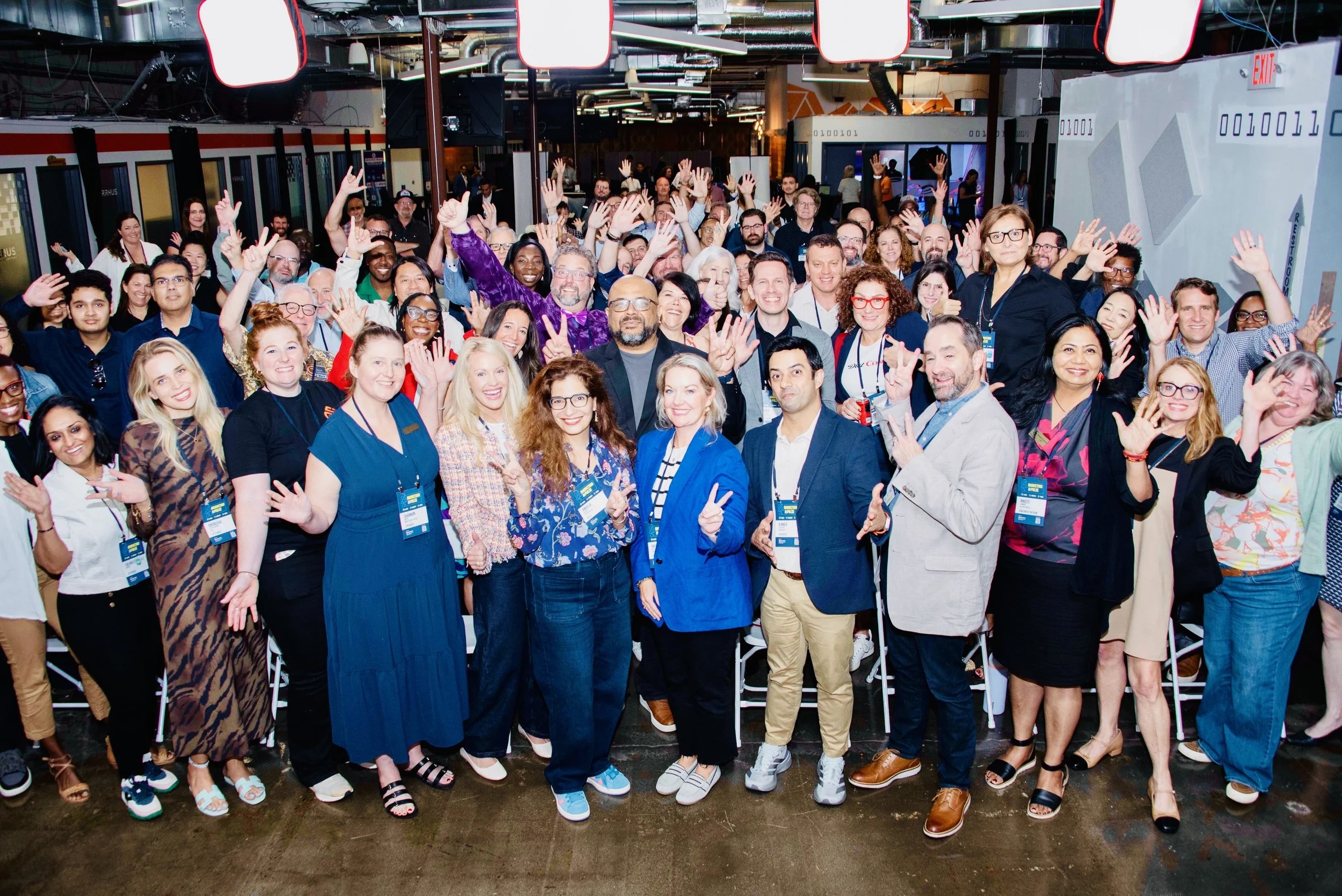
Reshaping How Marketing Teams Work, Decide, and Deliver with AI
At the 9th Marketing AI Pulse, nearly 200 marketers gathered in Atlanta to explore how AI is reshaping talent, decision-making and creative workflows. Here’s what marketing leaders need to know about building AI fluency across their teams.

The Technology Is Not The Hard Part of an AI Rollout
AI rollouts fail not because the technology doesn’t work, but because leaders skip the mindset and culture shifts required to make it stick. Change leadership expert Sherry Heyl explains why identity, mindset and governance — not tools — determine whether AI transformation succeeds.
Marketing AI Pulse Brief (August 2026): Claude’s Invisible Watermark, the CMO Adoption Gap, Advertising to AI Agents and the $11 Brand That Fooled ChatGPT
Claude’s new watermark, a Duke survey on CMO adoption gaps, Time ads for AI crawlers and an eleven dollar brand that fooled ChatGPT all point to one lesson: AI is outrunning the people and proof behind it, and disclosure, training and credibility matter more than ever.