


What AI Made Super Bowl Ads Reveal About CMOs and Brands
The Super Bowl doesn’t just showcase ads. It exposes how CMOs are making decisions about AI, brand, and leadership in public. As AI becomes more visible in marketing, the real differentiator is no longer the technology itself, but the judgment behind it. This piece explores what AI made Super Bowl ads reveal about brand alignment, human oversight, and the leadership choices CMOs are already making, intentionally or not.

How Lean Marketing Teams Can Use AI to Do More With Less
Lean marketing teams are expected to deliver more without additional headcount. This blog explores how AI can help when applied with clarity and intent. It covers practical ways AI supports marketing writing, creative production, email, video, and automation, while highlighting why defined ICPs, real customer pain points, and thoughtful workflows matter. The focus is not on chasing tools, but on using AI to improve execution, reduce friction, maintain quality, and support sustainable marketing operations over time.
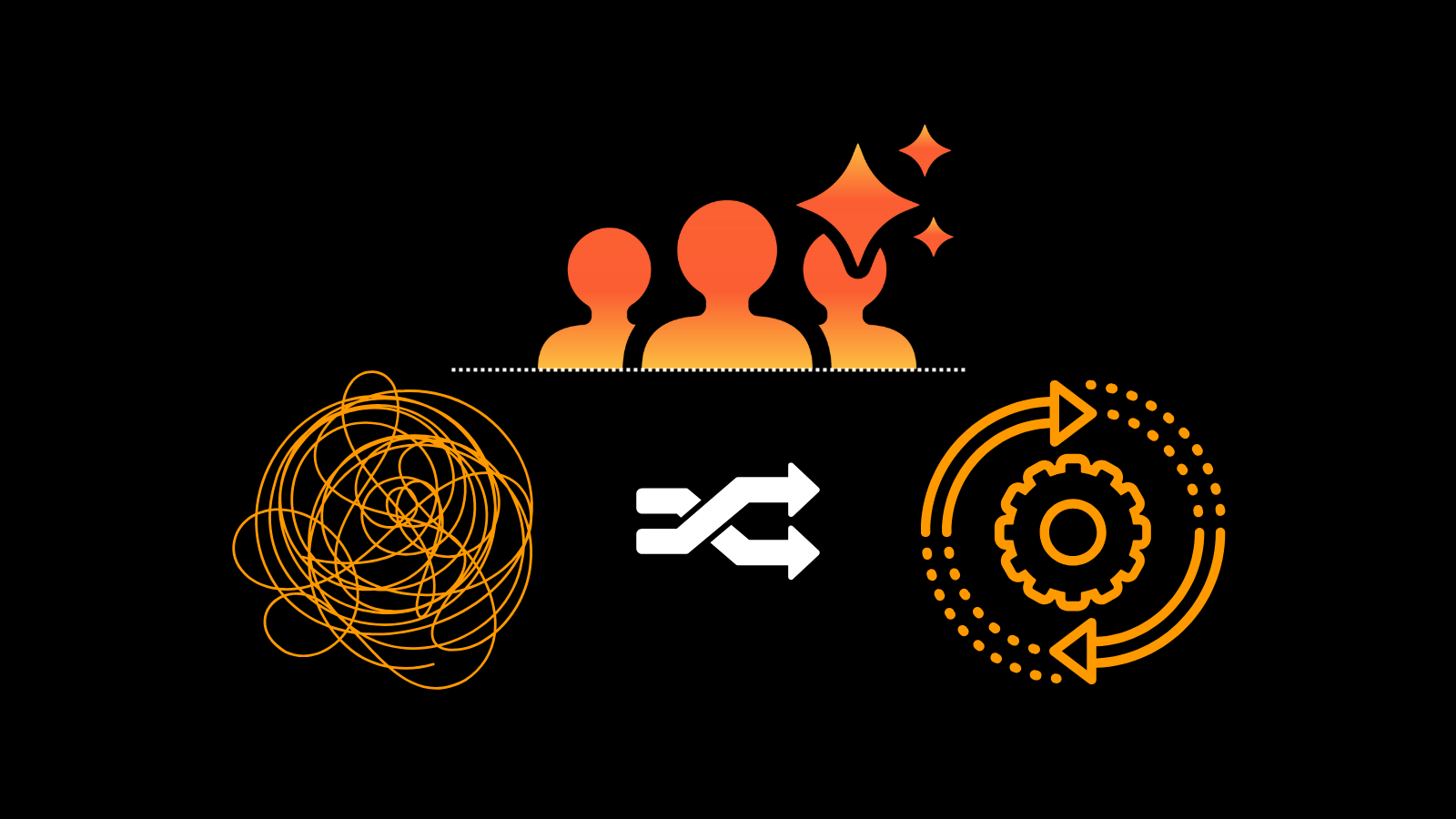
AI and CMOs in 2026: From Scattered Activity to Thoughtful Execution
AI is no longer an experiment for CMOs — it’s central to growth, efficiency, and competitive relevance in 2026. Marketing leaders must shift from fragmented tool adoption to intentional execution grounded in strategy, measurable outcomes, strong governance, and people readiness. Scattered activity creates fragmentation and risk. Prioritizing strategy before tools, running focused pilots, and aligning teams accelerates adoption. When integrated thoughtfully, AI becomes an operating capability that drives repeatable impact.

Top 10 AI Driven Marketing Shifts to Watch Closely in 2026
Marketers are closing out the year with a clear view of what will matter most in 2026. AI driven workflows will shift teams toward strategy and creativity, and generative tools will focus on producing substance rather than speed. Martech systems will operate as connected ecosystems, video will become an always on format, and paid media will evolve toward deeper automation. Discovery will move through generative search, engagement will grow conversational, AI will reveal clearer insights, browsers will become agent aware, and trust will define advantage.

What Are AI Agents and How Are They Starting to Help Marketing Professionals
AI agents are beginning to support marketing teams by handling structured, rules based tasks that benefit from consistency and speed. They can draft campaign briefs, surface early audience segments, suggest basic workflows, and automate repetitive operational work. Martech platforms like Salesforce Agentforce, HubSpot Breeze, Adobe Experience Platform Agent Orchestrator, Conversica, and Demandbase Agentbase offer early examples of these capabilities. While agents are not autonomous or strategic, experimentation now helps teams understand where they add value and prepares them for more advanced capabilities ahead.

Successful AI adoption begins with preparing people for change
Successful AI adoption is less about technology and more about preparing people for meaningful change. This post explores how cultural readiness, transparent leadership, continuous training, and safe experimentation determine whether AI becomes integrated into daily marketing workflows. When teams feel supported and confident, AI shifts from an initiative into a natural part of how the organization learns, operates, and creates value.

The Unstoppable Rise of AI in Marketing
AI is the future of marketing (and the present already in a lot of ways).
If you're not using AI in your marketing strategy yet, you're missing out on a game-changing opportunity. Start small, get your hands dirty. Things won't be perfect but experiment.
Grow your AI capabilities, and watch your marketing results skyrocket.