

Marketing AI Blog
Insights and strategies for marketing leaders exploring AI

How Lean Marketing Teams Can Use AI to Do More With Less
Lean marketing teams are expected to deliver more without additional headcount. This blog explores how AI can help when applied with clarity and intent. It covers practical ways AI supports marketing writing, creative production, email, video, and automation, while highlighting why defined ICPs, real customer pain points, and thoughtful workflows matter. The focus is not on chasing tools, but on using AI to improve execution, reduce friction, maintain quality, and support sustainable marketing operations over time.

Why CMOs Should Pay Attention to Advertising Inside AI Models
As AI platforms like ChatGPT begin testing in-app advertising, CMOs face a critical new frontier in brand visibility and trust. This blog breaks down what’s changing, how major AI platforms are approaching ads, and what steps marketers must take to stay relevant in AI-driven discovery. With search, social, and display giving way to conversational intent, it’s time to reframe your strategy for the age of AI-powered attention. Relevance, not reach, now wins.

AI Resolutions for CMOs: What Marketing Leaders Should Commit to This Year
Many AI initiatives stall because they are treated as tools rather than leadership commitments. This article outlines the AI resolutions CMOs should commit to this year to move beyond pilots and experimentation. It focuses on clarity before capability, disciplined prioritization, governance that enables speed, role-based enablement, and fixing operational friction. The goal is to help marketing leaders embed AI into everyday workflows with confidence, reduce adoption anxiety, and deliver measurable business impact.

What Do CMOs Get Wrong About AI Adoption in Marketing
Many CMOs recognize the importance of AI but struggle to turn adoption into meaningful impact. The issue is rarely technology. It is how AI is framed, led, and embedded into marketing operations. This piece outlines five leadership mistakes that quietly derail AI adoption, from treating AI as a tool rollout to expecting ROI without changing workflows, and explains what successful CMOs do differently to make AI a durable marketing capability across teams and decision making.
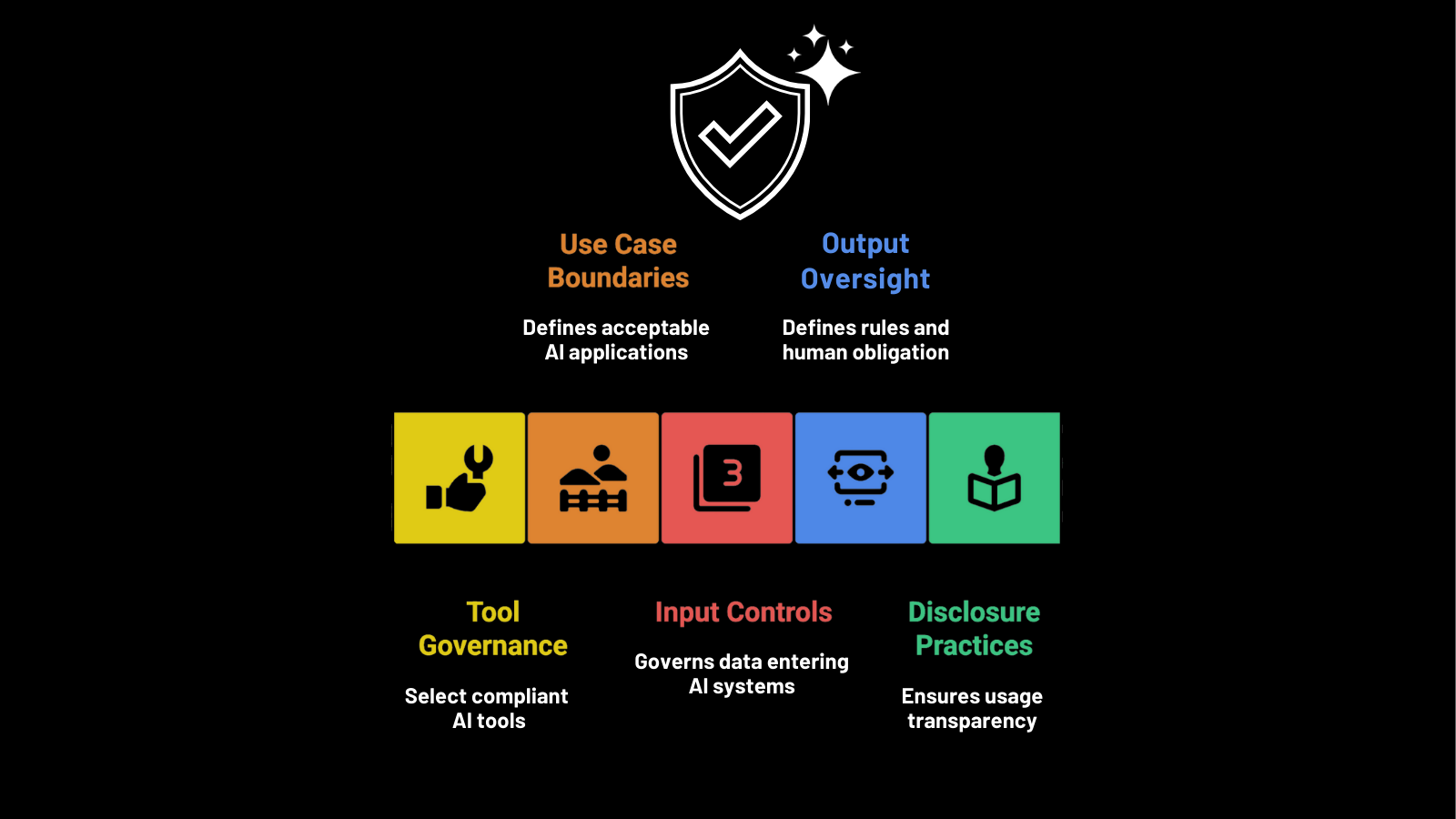
Why Governance Enables Responsible AI in Marketing
Governance is the foundation that enables responsible AI use in marketing. It protects brand trust while giving teams clarity about what is allowed and how to move forward with confidence. This post explains why CMOs must own AI governance, how a marketing governance council operates, and the five pillars that ensure AI tools, use cases, inputs, outputs, and disclosures are managed responsibly and at scale.

The discipline behind sustainable AI in marketing
Sustainable Artificial Intelligence in Marketing is not about tool access. It is about repeatable habits that save time without breaking brand standards. On this episode of the Marketing AI SparkCast, Spark Novus founder Aby Varma speaks with Frank Lazaro, author of Finding Twelve Minutes, about making AI adoption practical through small daily wins. The focus is measurable capacity, faster iteration, consistent voice, and responsible human oversight so AI Marketing Strategies scale beyond power users and perform under pressure.
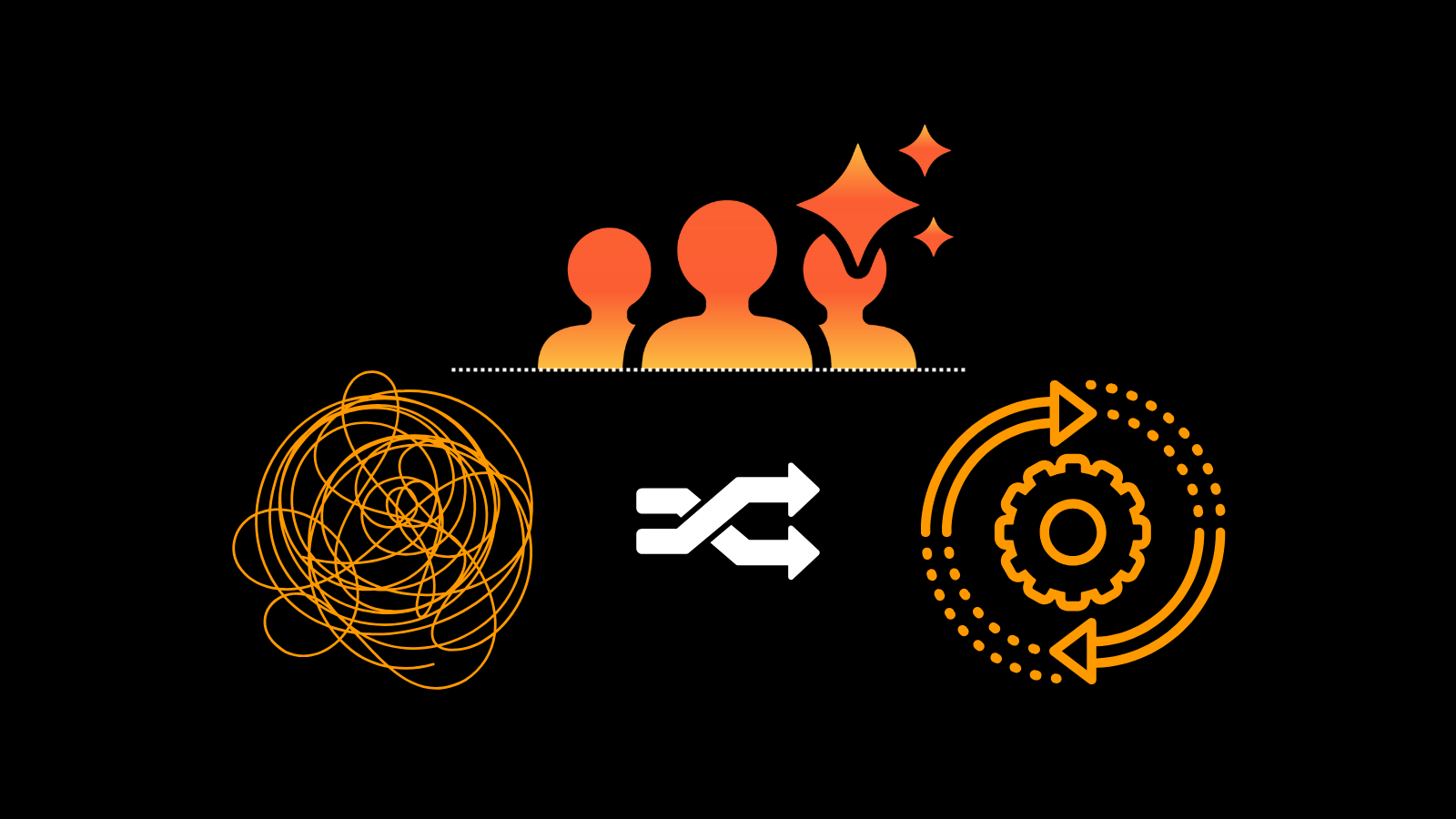
AI and CMOs in 2026: From Scattered Activity to Thoughtful Execution
AI is no longer an experiment for CMOs — it’s central to growth, efficiency, and competitive relevance in 2026. Marketing leaders must shift from fragmented tool adoption to intentional execution grounded in strategy, measurable outcomes, strong governance, and people readiness. Scattered activity creates fragmentation and risk. Prioritizing strategy before tools, running focused pilots, and aligning teams accelerates adoption. When integrated thoughtfully, AI becomes an operating capability that drives repeatable impact.

Top 10 AI Driven Marketing Shifts to Watch Closely in 2026
Marketers are closing out the year with a clear view of what will matter most in 2026. AI driven workflows will shift teams toward strategy and creativity, and generative tools will focus on producing substance rather than speed. Martech systems will operate as connected ecosystems, video will become an always on format, and paid media will evolve toward deeper automation. Discovery will move through generative search, engagement will grow conversational, AI will reveal clearer insights, browsers will become agent aware, and trust will define advantage.